
Diary #6
2006-8

The domino effect of the Winter of Labor Discontent was in full motion, with one factory after the other, and one sector after the other, going on strike.
As we threw ourselves in the strike wave with the limited resources we had, the initial goal during 2006-7 was publicizing those strikes on the widest possible scope, to sustain the domino effect, while scouting and reaching out quietly to the most advanced elements among those spontaneous strike leaders.
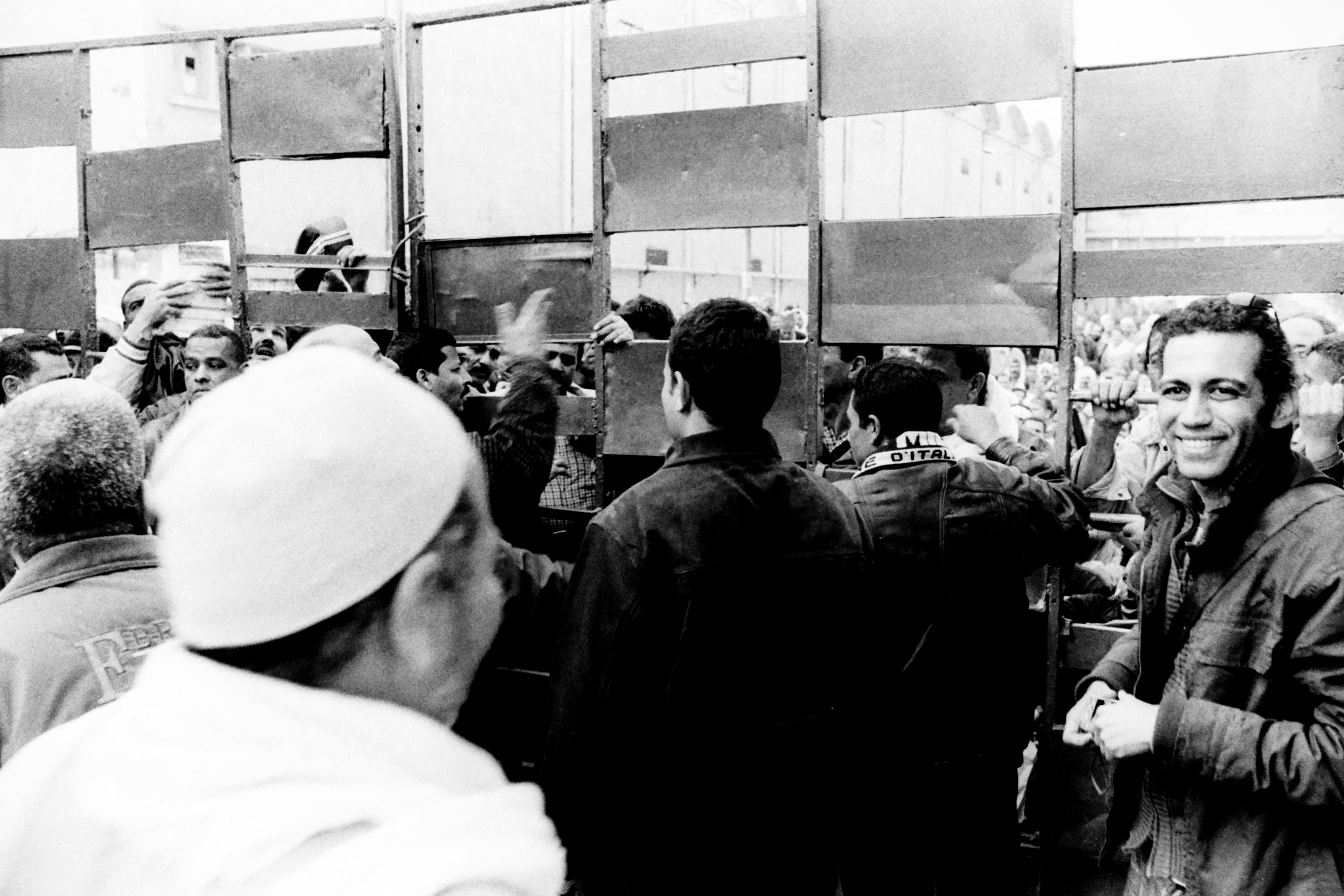
We organized trips to the factories for local mainstream and Western correspondents, and TV crews; and devised ways to avoid State Security police officers and get into the factories, either disguised as workers or by jumping over the fences or simply agreeing with the workers on a specific timing that they would storm out of the gates to allow us entry by force. There was no fear, unlike in the 1990s.
A proof of the strength and efficiency of our growing network of industrial correspondents—which included Revolutionary Socialist organizers, independent leftists, activist bloggers, and labor journalists—was simple: I was in West Oakland during the September 2007 Mahalla strike, and in Berkeley during the 6-7 April 2008 uprising, yet my old blog was the main source of updates on the industrial actions in English. Minute by minute, reports streamed from the Nile Delta to California, via emails, SMS, Skype calls, and other channels. And I kept pressing my comrades and my journalist contacts to take as many photos and videos as possible.
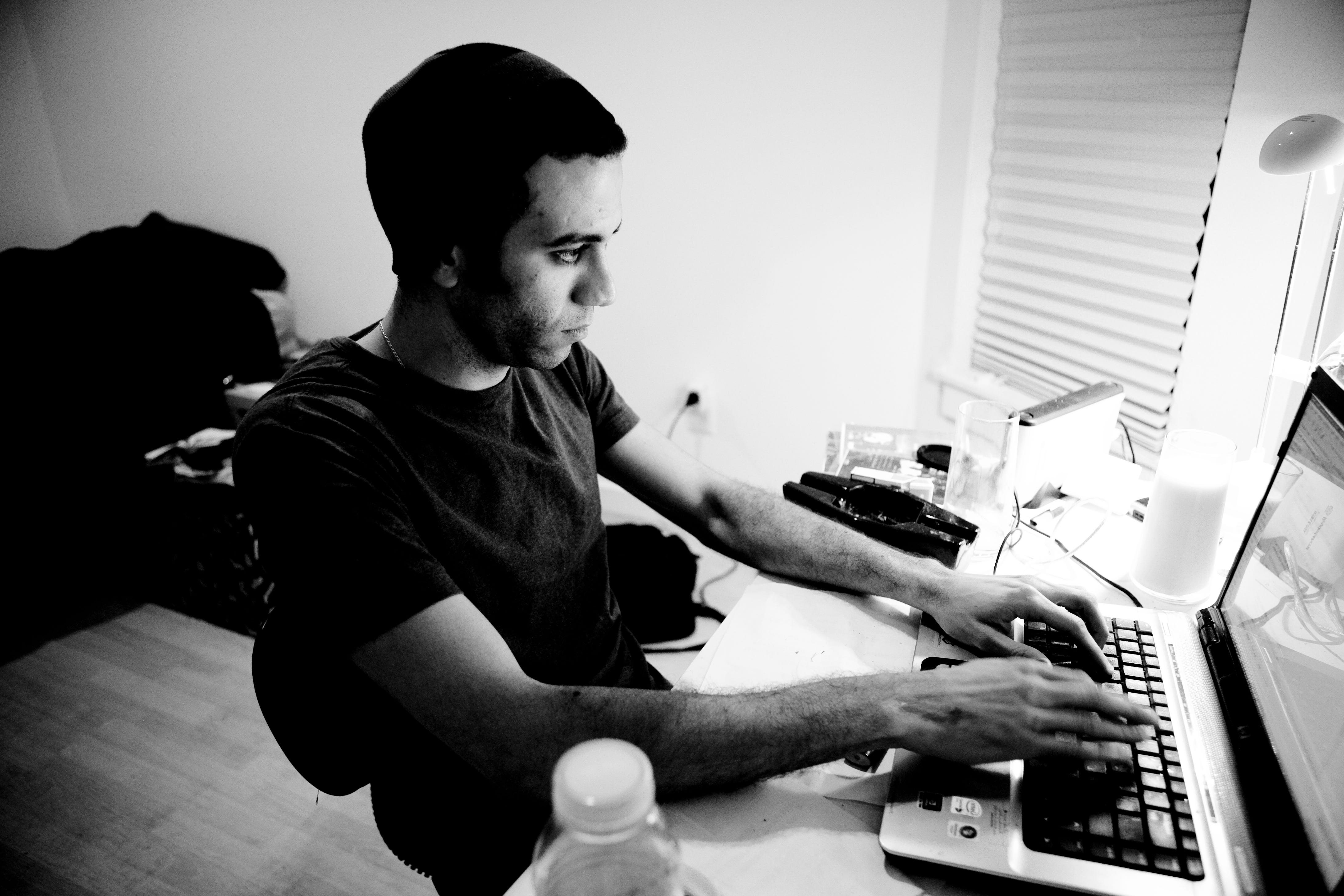
It was one hell of a logistical operation. I was very proud of our achievement, but still, the official Revolutionary Socialists’ Arabic online media operation was slow to catch up. These were not only technical issues but also political, with debates in the organization over the role of the internet vs print, when it came to our propaganda and agitation.
By the end of 2008, the organization finally formed a team dedicated to overseeing this digital transformation, with the launch of a new site on 6 April 2009, the first anniversary of the Mahalla uprising.
In search of the domino effect

The Egyptian revolution, which flared from early 2011 to mid-2013, is usually presented in the media (and some academic circles) as a “Facebook Revolution” or at least as one gigantic event that was ignited and organized online. The truth is slightly different.